Person Kevin O'Hara Trial 1Trial 2← All People
👮 Law Enforcement · MSP

Kevin O'Hara

Also known as: O'Hara

Trial 1Trial 2

Testimony Impact

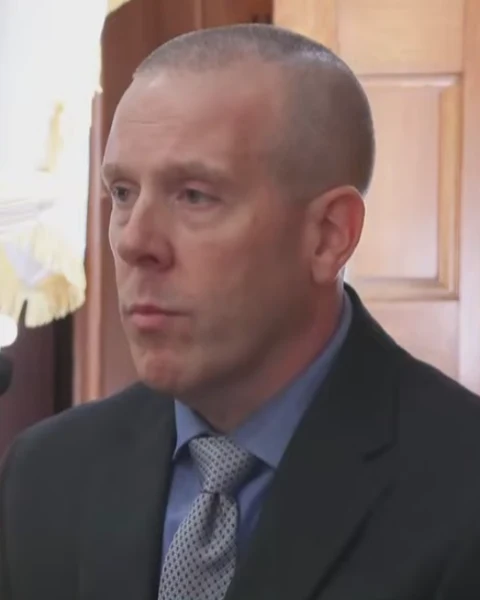
Lt. Kevin O'Hara is a Massachusetts State Police Special Emergency Response Team officer who commanded the evidence search at 34 Fairview Road nearly ten hours after O'Keefe's body was discovered. His team recovered taillight pieces and a sneaker from beneath undisturbed snow near the curb during blizzard conditions. O'Hara testified in both trials, with his account of the search conditions, the concentrated evidence cluster, and the absence of any follow-up search forming a contested piece of the physical evidence record.

Trial 1 vs Trial 2

In Trial 2, Alan Jackson conducted the cross-examination in place of Yannetti, and the defense added a recross examination — a phase absent from Trial 1. Jackson's recross zeroed in on the narrow scope of findings: only a small cluster of evidence recovered across 60 feet of searching, and the fact that O'Hara had been told the vehicle was already secured before he arrived on scene. The core cross themes — delayed SERT activation, unsecured scene, absence of follow-up — remained consistent between trials, but Trial 2 also saw the prosecution's redirect (by Brennan rather than Lally) address scene integrity and outside interference more directly than in Trial 1.

Notable Quotes From The Record

“He said they were conducting a death investigation in the town of Canton and he was looking for SERT assistance with an evidence search.”

Establishes how SERT was activated and the nature of the investigation as communicated to the search team.

“They were all found at ground level.”

All evidence items were at ground level beneath undisturbed snow, relevant to establishing they were deposited before the snowfall.

“No, we did not see anything. So, like I said, it was all fresh, undisturbed snow once we got past where the plow had cleared up to.”

No footprints or tracks in the snow where evidence was found, indicating the area had not been disturbed since the snowfall.

“I told him that there was a good chance we did not find everything.”

O'Hara acknowledged limitations of the search due to conditions, explaining why additional evidence might remain and offering to return.

“The sneaker was completely buried. It wasn't until we started digging through the snow that we found the sneaker.”

The victim's sneaker was fully buried under snow, consistent with being deposited before or during the storm.

“I'd prefer that it was secured.”

The witness concedes the scene should have been secured, after initially deflecting the question multiple times.

“As you would mark them on the GPS, they were marking almost directly on top of each other — and we knew that was going to — and they certainly were not being marked feet away from each other, several feet.”

Confirms all recovered evidence was found in an extremely concentrated area, relevant to how the evidence came to be there.

“No, he did not.”

Confirms no follow-up search was ever conducted, the closing moment of the cross-examination.

“That's a report that gets generated through our Mission Manager software, so it creates a little bit more detailed response.”

Establishes that more detailed documentation exists beyond the Daily Journal that cross-examination highlighted as sparse.

“It's the GeoTab GPS on the cruisers — automatic vehicle locator system.”

Confirms precise electronic records of arrival times exist, countering defense implications about timeline gaps.

“Sneaker was flush up against the curb and it was inverted, upside down.”

Describes the position of the victim's sneaker, a key piece of physical evidence.

“Couple of the pieces were found at ground level touching the asphalt.”

Taillight fragments at ground level beneath snow suggests they were deposited before the storm.

“That whole search area was fresh undisturbed snow as we moved through the area and no one moved past our line.”

Establishes scene integrity — evidence was found beneath snow that had not been tampered with.

“I told him there was a good chance we did not locate everything that evening and we offered to return at a later date or time at his request.”

Establishes the team offered to return but was never recalled, a point explored in prior cross-examination.

“Uh, there was no police presence on scene, sir.”

Establishes the crime scene was completely unsecured when SERT arrived hours after the incident.

“We've never been out for an evidence search in this specific type of conditions, but we have done missing person searches.”

Concession that this was the team's first evidence search in blizzard conditions, undercutting expertise on evidence recovery methodology.

“He asked if we were here for what happened earlier. We replied yes and he turned and went back inside the residence.”

An unidentified adult male from 34 Fairview Road had knowledge of the incident and made contact with the search team.

“I believe I said within a few inches or a foot away. Yes, sir.”

All recovered evidence was clustered in a very small area, a point Jackson emphasized through prior testimony impeachment.

“I asked him if he had a photograph that we could look at, just to see how large of a piece we were looking for, sir.”

The SERT team was searching for taillight pieces without ever seeing the damaged vehicle or a photograph of it.

“Maybe 10 seconds, sir.”

Minimizes the significance of the person emerging from 34 Fairview, a point raised during cross-examination.

“I told him there was a good chance we did not locate all the evidence. Asked him if he wanted us to come back at a later date.”

Establishes O'Hara proactively flagged the search as incomplete and offered follow-up, countering any suggestion SERT considered the job done.

“The area we searched was fresh, undisturbed snow.”

Reinforces scene integrity — no footprints or disturbance before SERT's arrival, countering defense implications about an unsecured scene.

“Only 99% of it, sir. As soon as we got to the grass and realized we couldn't clear it properly, my main focus was on that street, just again because I was concerned about the plow coming through at a later time.”

Explains the strategic decision to prioritize street over grass — evidence preservation before plowing, not laziness or incompleteness.

Key Moments

Locations Touched By This Testimony

Appearances (7)