 Commonwealth v. Read — Trial Archive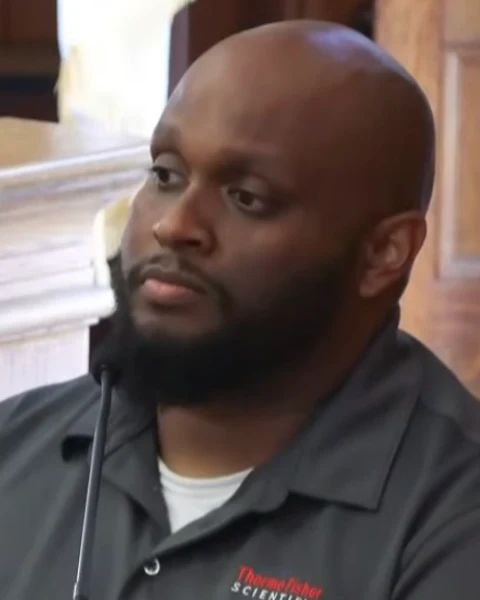
Summary
Toxicologist Nicholas Roberts testified about converting Karen Read's hospital serum result and calculated a retrograde blood-alcohol range of 0.125 to 0.292 gram percent.
Highlights (4)
“So our values that were calculated for the low was a 0.078 gram percent. The high was a 0.083 gram percent with the average being a 0.081.”
States the serum-conversion results Roberts calculated from the hospital result.
Open in transcript → Watch this moment ▶“And it's just so that it can encompass essentially anybody within the general population that they would be somewhere in between that lower limit and that upper limit.”
Explains why Roberts presented a broad retrograde-extrapolation range rather than one value.
Open in transcript → Watch this moment ▶Roberts described his forensic-science education, State Police Crime Lab toxicology work, proficiency testing, and the laboratory's accreditation requirements.
Open in transcript → Watch this moment ▶Roberts identified his serum-conversion report and testified that the reviewed medical record reported a serum alcohol level of 93 milligrams per deciliter from a specimen collected at 9:08 a.m.
Open in transcript → Watch this moment ▶