Person Nicholas Bradford Trial 1Trial 2← All People
🔬 Expert Witness · BODE Technology

Nicholas Bradford

Trial 1Trial 2

Testimony Impact

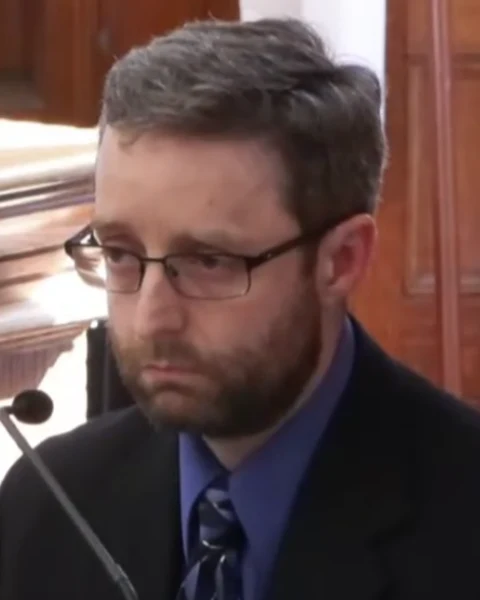
Nicholas Bradford is a DNA analyst employed by BODE Technology, an accredited forensic laboratory. He was called by the prosecution in both trials to present the results of DNA testing performed on a tail light extract and a hair sample recovered from Karen Read's Lexus. His testimony centered on STR (short tandem repeat) mixture analysis establishing that John O'Keefe could not be excluded as a contributor to the tail light DNA mixture, while two Massachusetts State Police troopers — Bukhenik and Proctor — were statistically supported for exclusion.

Trial 1 vs Trial 2

In Trial 1, the defense waived cross-examination of Bradford entirely, leaving his statistical conclusions unchallenged. In Trial 2, Alan Jackson conducted a substantive cross focused on two points: pressing Bradford on the distinction between statistical exclusion and absolute exclusion for Proctor, and establishing that numerous individuals from the Albert household had never been compared to the tail light DNA sample. The cross did not undermine the O'Keefe inclusion statistic but framed the exclusion of other potential contributors as incomplete.

Notable Quotes From The Record

“So in this case, when comparing the John O'Keefe profile, assuming a mixture of three individuals, it is at least 740 nonillion times more likely to be observed if it originated from John O'Keefe and two unknown unrelated individuals than if from three unknown unrelated individuals.”

The central finding — overwhelming statistical support for O'Keefe's DNA on the tail light

“That would be the number with 30 zeros.”

Puts the statistical weight in plain terms for the jury

“So that sounds confusing given what I just said. So the verbal qualifier for that would be very strong support for exclusion.”

Excludes Trooper Bukhenik from the tail light DNA mixture, addressing contamination concerns

“We quantified the hair and it was below the limit of detection, so we did not process that hair forward for STR.”

Explains why the hair sample required different (mitochondrial) testing by a different analyst

“John O'Keefe could not be excluded as a potential contributor to that mixture profile.”

Core conclusion linking O'Keefe's DNA to the tail light evidence.

“it would be 740 nonillion times more likely that it was a mixture of John O'Keefe and two unrelated individuals versus three unknown unrelated individuals.”

Quantifies the statistical strength of the DNA match — nonillion has 30 zeros.

“So he could not be visually excluded based on just comparing the profile to the STRmix output. So we do the likelihood ratio... So in this case it was 46 million times more likely that it was three unknown unrelated individuals versus Yuri Bukhenik and two unknown unrelated individuals. So that would be very strong support for exclusion.”

Excludes Trooper Bukhenik as a contributor, addressing contamination concerns from evidence handling.

“the quantification results were below the limit of detection. So we would not expect to get an STR profile from that hair.”

Explains why the hair evidence required different (mitochondrial) DNA testing by another analyst.

“So, like I said, in this case, it's 76,000 times more likely that we would observe that evidence profile if it were three unknown unrelated individuals as opposed to Michael Proctor and then two unknown unrelated individuals.”

Clarifies that Proctor's exclusion is statistical, not absolute — a key distinction for the defense.

Key Moments

Appearances (3)